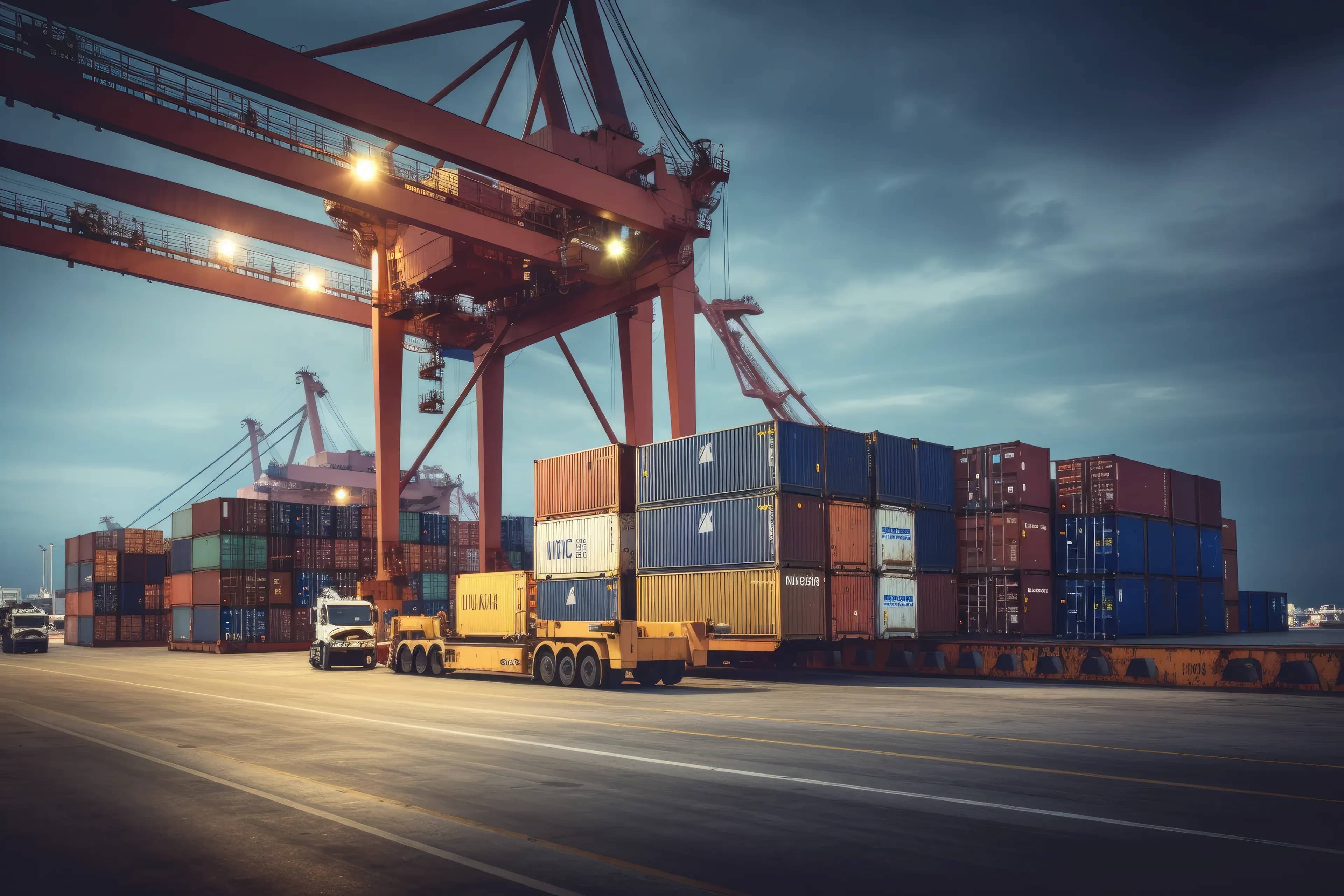
The good news is that modern logistics is no longer just about moving goods from one place to another. It is about using smarter strategies and better planning to reduce costs while improving efficiency.
Better Route Planning
Transportation is often one of the largest expenses in logistics. Poor route
planning can lead to unnecessary fuel consumption, longer delivery times,
and higher operating costs.
Businesses are now using advanced route planning tools that help drivers
choose the most efficient paths. By reducing travel distance and avoiding
traffic delays, companies can save both time and money.
Making Better Use of Data
Data has become a valuable asset in logistics. Businesses can now
analyse shipment patterns, delivery schedules, and customer demand to
make more informed decisions.
When companies understand where inefficiencies exist, they can adjust
their operations and avoid unnecessary spending. Better forecasting also
helps prevent overstocking and emergency shipments, both of which can
increase costs.
Warehouse Optimization
A well organised warehouse can significantly improve operational
efficiency. Modern warehouses focus on reducing the time required to
locate, pick, and dispatch products.
Simple improvements such as better storage layouts, inventory tracking,
and process standardisation can reduce labour costs and improve
productivity.
Using Automation Where It Matters
Automation is helping businesses handle repetitive tasks more efficiently.
From inventory management to shipment tracking, automated systems
reduce manual work and minimise errors.
While automation requires an initial investment, it often leads to long term
savings by improving accuracy and reducing operational delays.
Strengthening Supplier Relationships
Strong partnerships with suppliers can create opportunities for cost
savings. Businesses that maintain clear communication and long term
relationships often benefit from better pricing, improved delivery schedules,
and more reliable service.
Collaboration can also help companies identify opportunities to reduce
transportation and inventory expenses.
Improving Load Utilisation
Sending partially filled vehicles increases transportation costs. Businesses
are increasingly focusing on maximising vehicle capacity and consolidating
shipments whenever possible.
Better load planning allows companies to move more goods in fewer trips,
reducing fuel and transportation expenses.
Embracing Digital Logistics Solutions
Digital tools provide real time visibility into supply chain operations.
Businesses can monitor shipments, track inventory, and respond quickly to
unexpected disruptions.
Greater visibility helps reduce delays, improve planning, and avoid costs
that arise from poor communication or a lack of information.
Focusing on Sustainability
Sustainable logistics practices are not only good for the environment but
can also reduce operating costs. Efficient transportation, reduced fuel
consumption, and optimised packaging help businesses save money while
meeting growing sustainability expectations.
Conclusion
Lowering logistics costs is not about making drastic cuts. It is about working
smarter. Businesses that invest in better planning, technology, data
analysis, and operational efficiency can reduce expenses while maintaining
high service standards.
In a competitive market, companies that continuously improve their logistics
operations will be better positioned to increase profitability, enhance
customer satisfaction, and achieve long term growth.
more blogs
View All

26 June 2026
The Biggest Cybersecurity Challenges Businesses Will Face in 2026
Cybersecurity has become a core part of running a successful business. A few years ago, it was often seen as the IT team's sole responsibility. Today, it affects every department, every employee, and every customer
interaction.

25 June 2026
How Smart Food Processing Is Helping Reduce Food Waste
Food waste is one of the biggest challenges facing the food industry today.
Every year, large quantities of food are lost before they even reach
consumers. This not only affects business profitability but also places
unnecessary pressure on natural resources such as water, energy, and
agricultural land.
View All