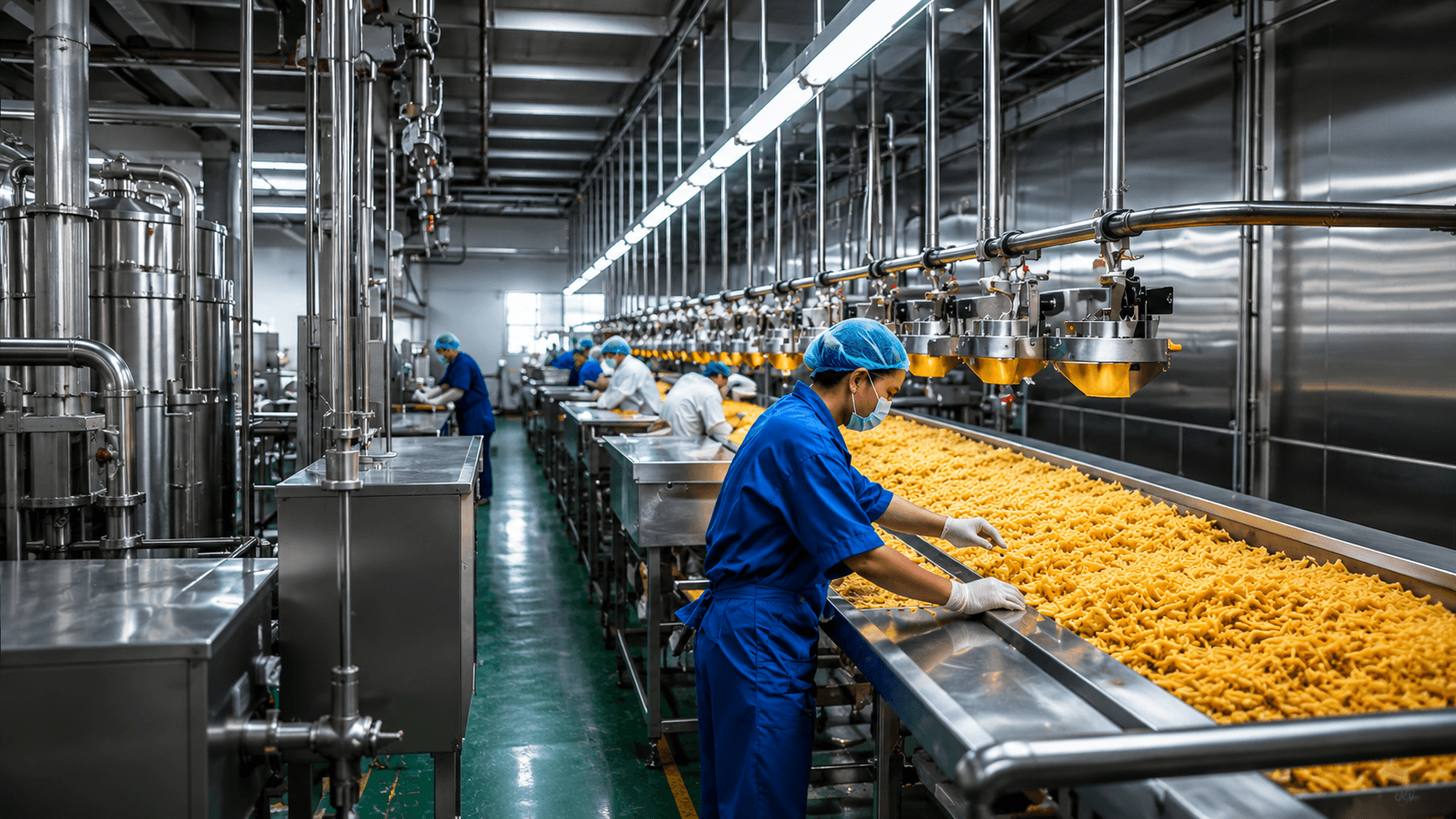
As the demand for food continues to grow, reducing waste has become a
priority for food manufacturers and processors. One of the most effective
ways to address this challenge is through the use of smart processing
technologies that help improve efficiency, preserve quality, and make better
use of available resources.
Understanding the Cost of Food Waste
Food waste occurs at various stages of production. Raw materials may be
damaged during handling, products can spoil due to improper storage, and
processing inefficiencies can lead to unnecessary losses.
For food businesses, this means higher production costs and reduced
profitability. For society, it means valuable food resources are being wasted
while demand continues to rise.
Smarter Monitoring for Better Control
Modern processing facilities are increasingly using advanced monitoring
systems to track temperature, moisture levels, and production conditions in
real time.
When problems are detected early, businesses can take corrective action
before products are affected. This helps maintain product quality and
prevents avoidable losses during production.
Improving Accuracy in Production
One common cause of food waste is overproduction. Producing more than
required often results in excess inventory that may not be sold before its
shelf life expires.
Smart technologies allow manufacturers to better predict demand and
adjust production levels accordingly. This helps businesses produce the
right quantity at the right time, reducing unnecessary waste.
Better Sorting and Quality Inspection
Traditional inspection methods often rely heavily on manual processes.
Modern systems use advanced sensors and imaging technologies to
identify defects more accurately and efficiently.
By separating products based on quality standards, manufacturers can
reduce unnecessary rejection of usable products while ensuring customers
receive high quality goods.
Extending Product Shelf Life
Food spoilage is a major contributor to waste. Smart processing methods
help preserve freshness and maintain product quality for longer periods.
Improved packaging solutions and controlled processing environments can
help reduce spoilage during storage and transportation, allowing products
to remain usable for a longer time.
Making Better Use of Raw Materials
Many food processors are finding innovative ways to use byproducts that
were previously discarded. Ingredients that once ended up as waste can
often be transformed into new products, animal feed, or other valuable
resources.
This approach not only reduces waste but also creates additional business
opportunities.
Supporting Sustainability Goals
Reducing food waste is closely connected to sustainability. When less food
is wasted, fewer resources are required to produce, transport, and store
products.
Businesses that adopt smart processing technologies can lower their
environmental impact while improving operational efficiency and reducing
costs.
Conclusion
Reducing food waste is not simply about saving food. It is about creating a
more efficient and sustainable food industry. Smart processing technologies
give businesses the tools to improve production accuracy, maintain product
quality, and make better use of resources.
As the industry continues to evolve, companies that embrace these
innovations will be better equipped to reduce waste, improve profitability,
and contribute to a more sustainable future.
more blogs
View All
26 June 2026
Modern Approaches to Lowering Logistics Costs
Managing logistics costs has become one of the biggest challenges for businesses today. Rising fuel prices, increasing customer expectations, and growing competition have made efficient logistics more important than
ever. While cutting expenses is a priority, businesses must also ensure that service quality and delivery performance remain strong.

26 June 2026
The Biggest Cybersecurity Challenges Businesses Will Face in 2026
Cybersecurity has become a core part of running a successful business. A few years ago, it was often seen as the IT team's sole responsibility. Today, it affects every department, every employee, and every customer
interaction.
View All